
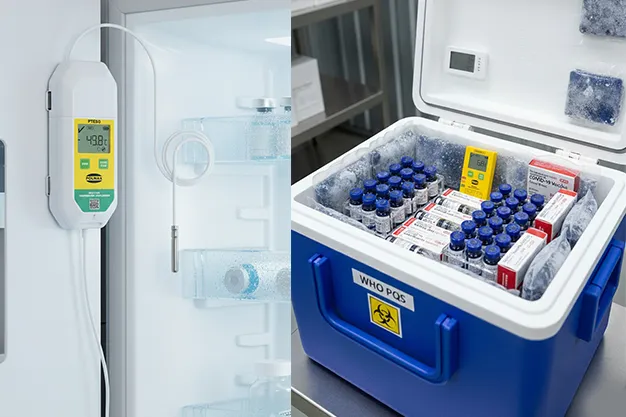
How Temperature Monitoring Systems Protect Pharmaceutical Products
Temperature control plays a critical role in the pharmaceutical industry. Many medicines, vaccines, and biological products are highly sensitive to environmental conditions. Even small temperature fluctuations can affect the quality, safety, and effectiveness of these products.
A reliable temperature monitoring system helps pharmaceutical companies maintain controlled storage conditions and prevent product damage. With modern monitoring technologies such as IoT-based sensors and data loggers, industries can track temperature conditions in real time and respond quickly to any deviations.
Why Temperature Monitoring Is Important in Pharmaceuticals
Pharmaceutical products must be stored and transported within specific temperature ranges to maintain their stability and effectiveness. If these conditions are not maintained, the products may lose their potency or become unsafe for use.
Temperature monitoring systems help pharmaceutical companies maintain proper environmental conditions in:
- Pharmaceutical warehouses
- Cold storage rooms
- Vaccine storage facilities
- Laboratories
- Transport vehicles
Continuous monitoring ensures that products remain within safe temperature limits throughout the storage and distribution process.
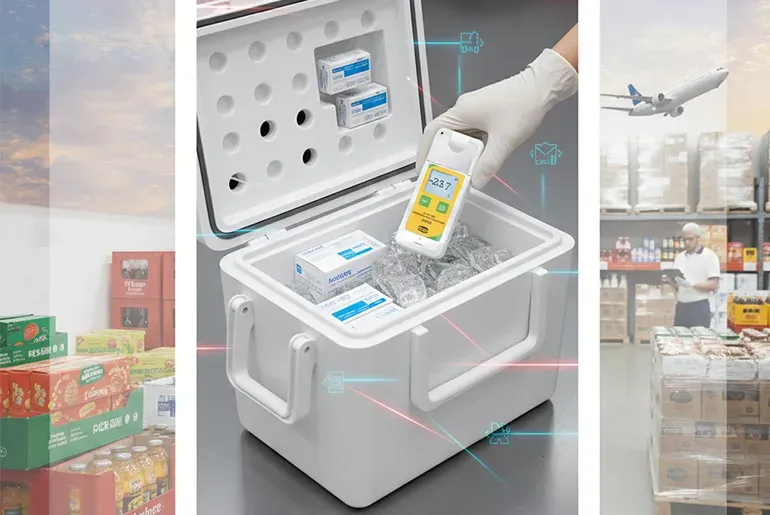
Challenges in Manual Temperature Monitoring
Many facilities still rely on manual temperature checks, which can lead to several operational challenges.
Human Errors
Manual data recording increases the chances of mistakes or missed readings. These errors can result in inaccurate records and potential compliance issues.
Lack of Real-Time Monitoring
Manual monitoring only provides data at specific time intervals. If temperature changes occur between checks, they may go unnoticed.
Delayed Response to Temperature Deviations
Without automated alerts, facility managers may not be able to react quickly when temperature conditions move outside the acceptable range.
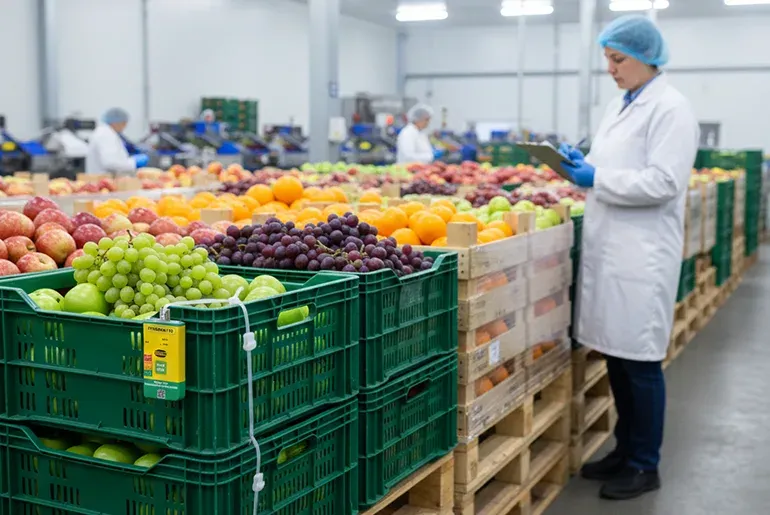
Role of Temperature Monitoring Systems
Modern temperature monitoring systems use advanced sensors, industrial data loggers, and cloud-based platforms to continuously monitor environmental conditions.
These systems automatically record temperature data and provide instant alerts when temperature limits are exceeded.
Key components of a monitoring system include:
- Temperature sensors
- Data loggers
- IoT gateways
- Cloud monitoring software
This technology ensures continuous monitoring without manual intervention.
Benefits of Automated Temperature Monitoring
Real-Time Monitoring
Automated monitoring systems provide real-time data tracking, allowing facility managers to immediately detect environmental changes.
Instant Alerts and Notifications
When temperature exceeds predefined limits, the system sends alerts through SMS, email, or cloud notifications. This enables quick corrective actions.
Accurate Data Logging
Temperature data loggers automatically record environmental conditions at regular intervals, ensuring accurate and reliable monitoring records.
Regulatory Compliance
Pharmaceutical industries must maintain proper documentation for regulatory audits. Automated monitoring systems provide secure and traceable data records.
Reduced Product Loss
Continuous monitoring helps prevent temperature fluctuations that could damage sensitive pharmaceutical products.
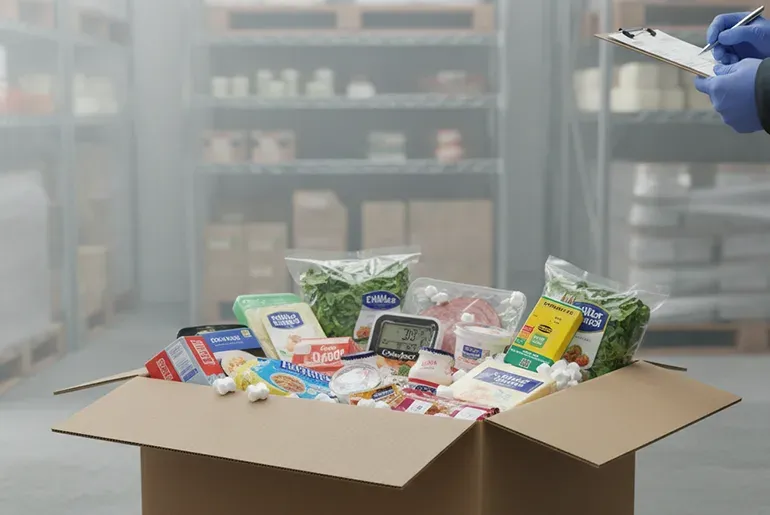
Temperature Monitoring in Cold Chain Logistics
Cold chain logistics plays a vital role in the transportation of temperature-sensitive products such as vaccines and biological materials.
Temperature monitoring systems help maintain proper conditions during transportation by continuously tracking environmental data throughout the logistics process.
These systems ensure that temperature remains within the required range from manufacturing facilities to final delivery locations.
Conclusion
Temperature monitoring systems are essential for maintaining the quality, safety, and effectiveness of pharmaceutical products. By implementing automated monitoring technologies, pharmaceutical companies can improve operational efficiency, reduce risks, and ensure compliance with industry regulations.
Modern monitoring solutions provide real-time data tracking, instant alerts, and reliable data logging, making them a critical component of pharmaceutical storage and distribution.